








الانحدار اللوجستي
الدرس 15 من 19 في دورة مقدمة في تعلم الآلة على Coddy.
الانحدار اللوجستي (Logistic regression)، على الرغم من اسمه، هو نموذج خطي يُستخدم بشكل أساسي لمهام التصنيف، وليس للتنبؤ بالقيم المستمرة (regression). إنه مثالي للحالات التي تريد فيها التنبؤ بوجود أو غياب شيء ما، مثل ما إذا كان البريد الإلكتروني بريدًا عشوائيًا أم لا. يعمل الانحدار اللوجستي بشكل جيد للتصنيف الثنائي ولكن يمكن توسيعه ليشمل التصنيف متعدد الفئات من خلال تقنيات مختلفة.
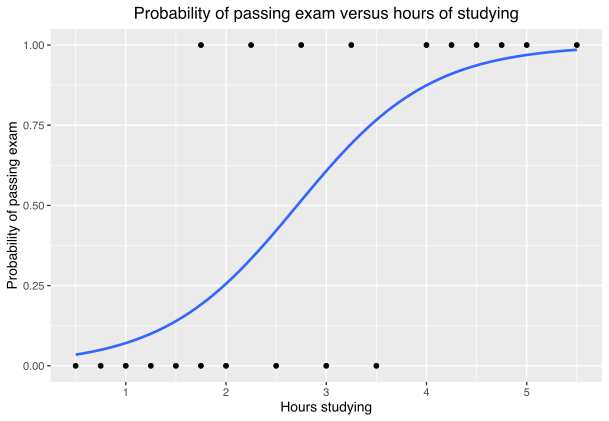
المصدر: ويكيبيديا
في جوهره، يتنبأ الانحدار اللوجستي باحتمالية انتماء نقطة إدخال معينة إلى فئة معينة. على عكس الانحدار الخطي الذي يتنبأ بمخرجات مستمرة، يتنبأ الانحدار اللوجستي بنتيجة ثنائية (1/0، نعم/لا). يكمن جوهر الانحدار اللوجستي في الدالة اللوجستية أو دالة سيجمويد (sigmoid function)، والتي تحول أي رقم ذو قيمة حقيقية إلى قيمة تتراوح بين 0 و 1، مما يجعلها مناسبة لتقدير الاحتمالات.
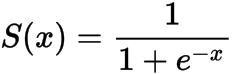
تتضمن عملية ملاءمة نموذج الانحدار اللوجستي العثور على أفضل مجموعة من المعاملات للمعادلة بناءً على بيانات التدريب.
على الرغم من كونه فعالاً ومباشراً للتصنيف الثنائي، إلا أن أداءه قد يتأخر عن النماذج الأكثر تعقيداً في مجموعات البيانات المتشابكة.
 اختبر نفسك
يتضمن هذا الدرس اختبارًا قصيرًا. ابدأ الدرس للإجابة عليه وتتبّع تقدمك.
اختبر نفسكيتضمن هذا الدرس اختبارًا قصيرًا. ابدأ الدرس للإجابة عليه وتتبّع تقدمك.
اختبر نفسكيتضمن هذا الدرس اختبارًا قصيرًا. ابدأ الدرس للإجابة عليه وتتبّع تقدمك.

التحدي
سهلأنشئ دالة باسم sigmoid تأخذ قائمة تمثل نقطة بيانات وتُرجع مخرجات دالة sigmoid. استخدم numpy لحل هذه المشكلة.
جرّب بنفسك
import numpy as np
def sigmoid(point):
    arr = np.array(point)
# اكتب الكود هناجميع دروس مقدمة في تعلم الآلة


6نماذج أخرى
الانحدار اللوجستيالانحدار الخطيشجرة القرارآلة المتجهات الداعمة (SVM)اختبار قصير حول النماذجتدرّب بنفسك: مترجم Python عبر الإنترنت